Moving to Marte: Why 2026 Is the Year to Leave Heavy Sites Behind and Embrace Smart Performance
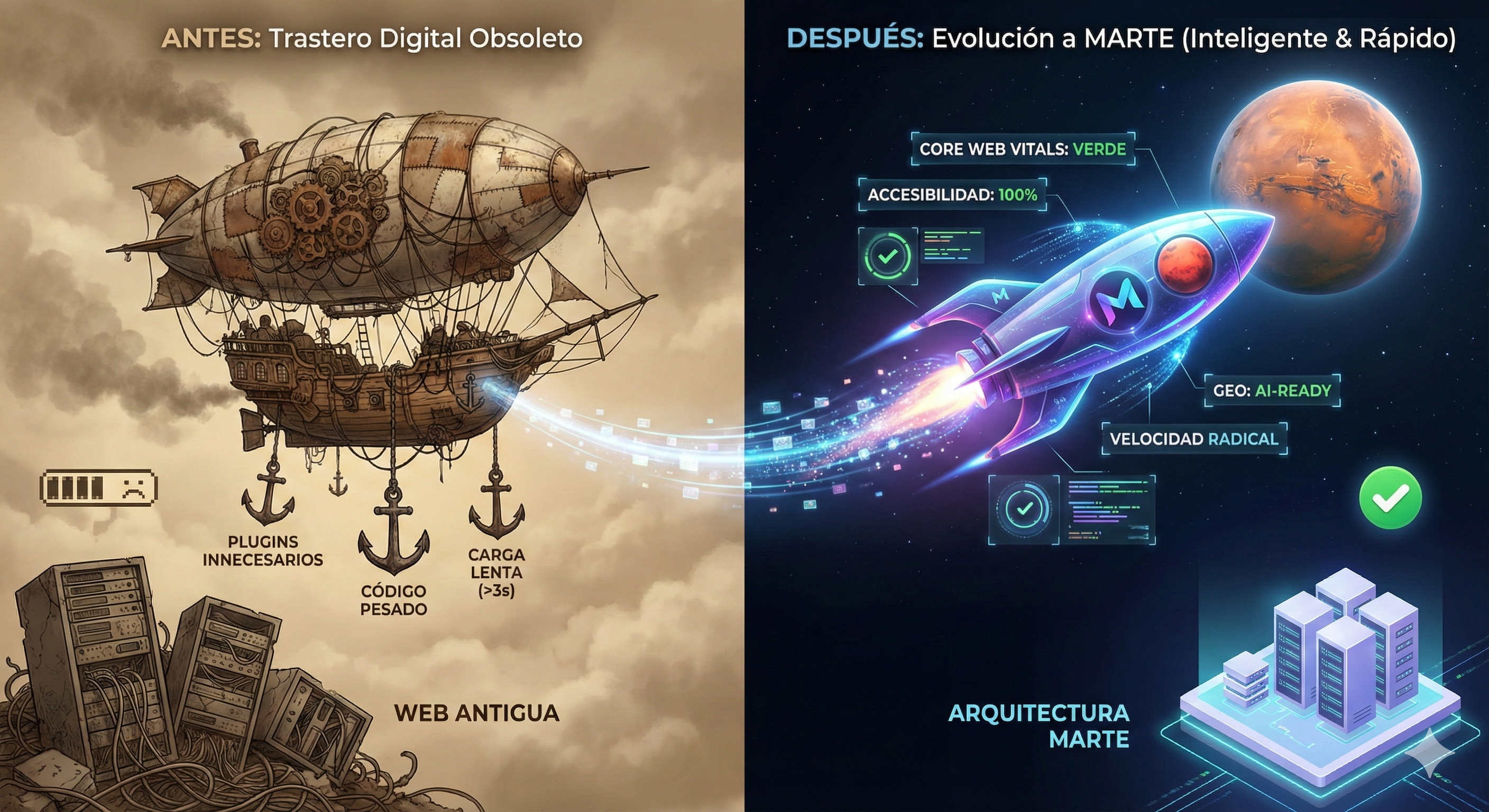
Is your site a drag or a growth engine? Migrating to Marte is not just a design change; it is the leap to high performance, real accessibility and GEO positioning.
The End of the "Humans-Only" Web: Why Your Business Needs to Speak Robot (llms.txt and the Future of Documentation)
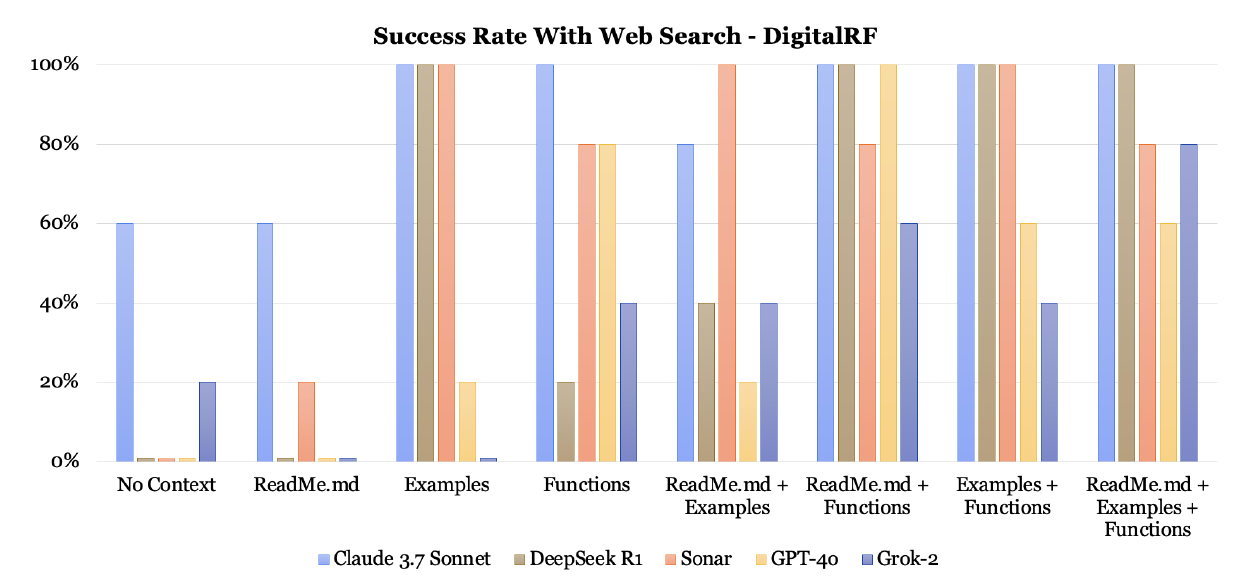
From robots.txt to llms.txt: the new frontier of digital visibility. Learn how LLM-oriented documentation can push AI accuracy from 30% to 100%, and why at Marte we are already building the sites that the autonomous agents of the future will want to "visit" and recommend.
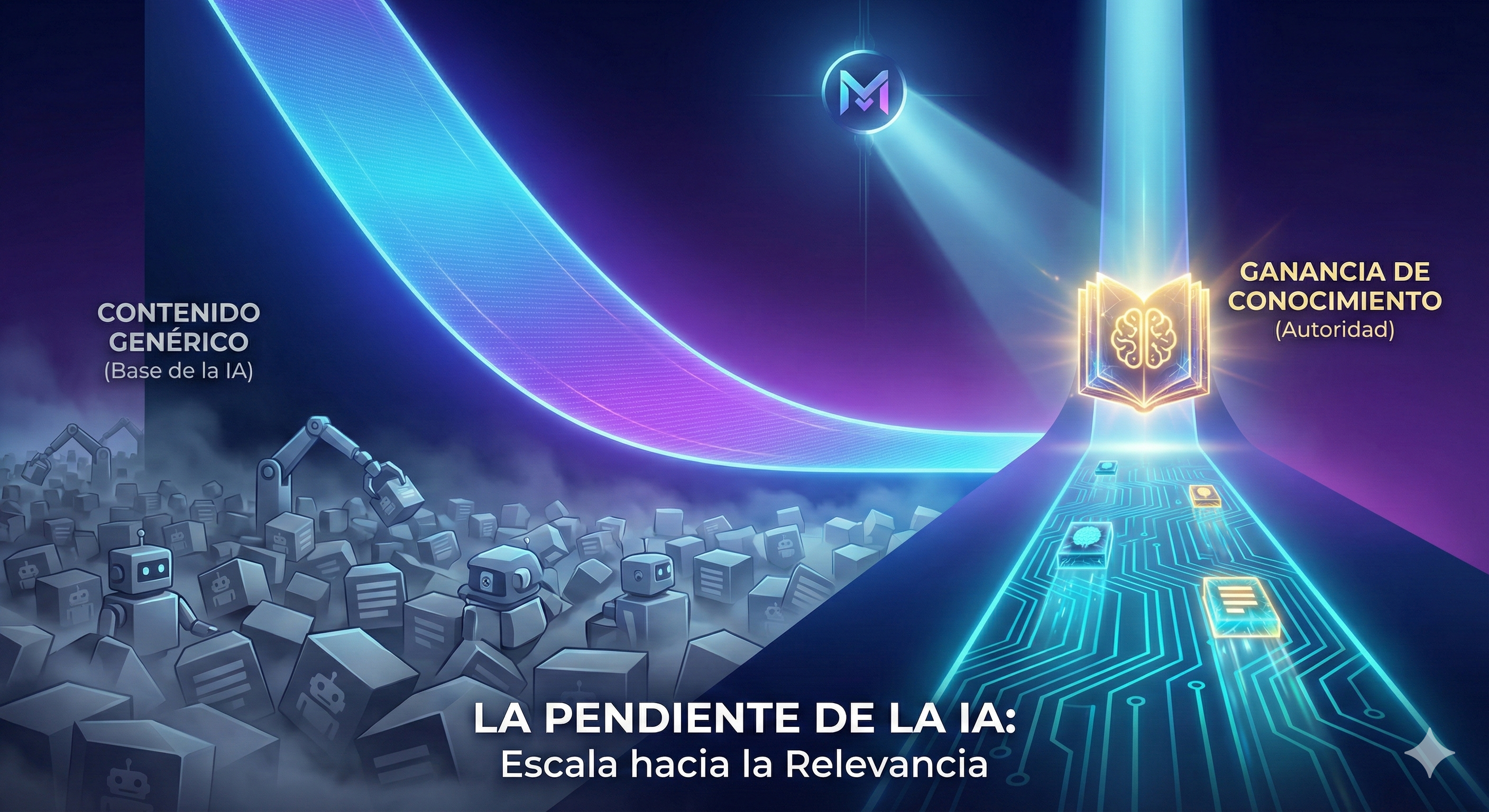
The End of "Average" Content: Why Knowledge Gain and AI Slope Will Decide If Your Site Exists or Not
Writing "average" content today is a sentence to invisibility. Discover how Knowledge Gain and AI Slope are redefining who appears in AI answers and who disappears in the noise. Do not be an echo of what already exists; learn to be the source that machines and people choose to cite.
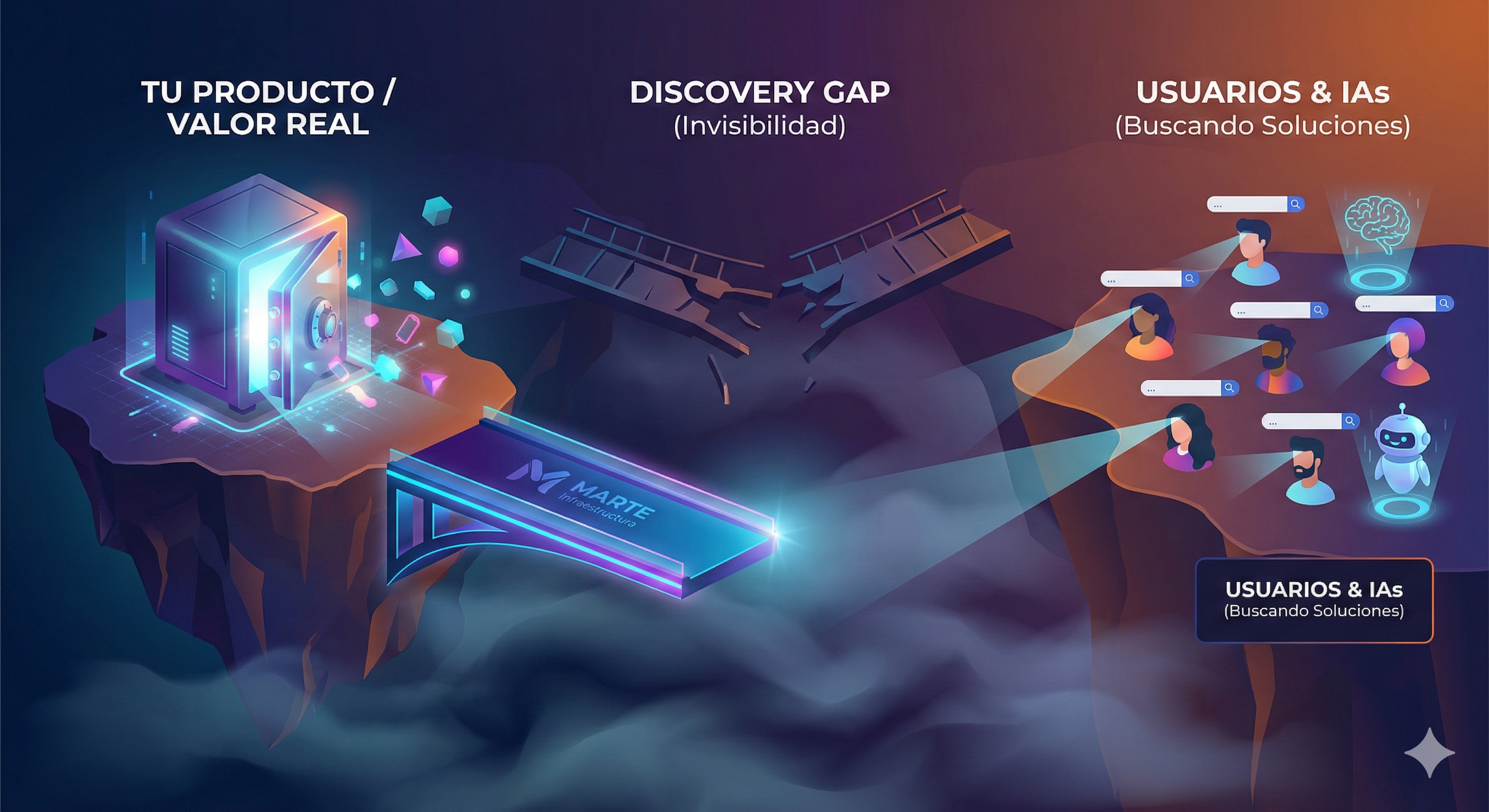
Discovery Gap: Why Having the Best Product Is No Longer Enough to Be Found
You can have the best product in the world, but if your website is a maze for Google or a black box for AI, you have a "Discovery Gap". Learn to close the gap between what your company can do and what the world actually perceives. It's time to stop being your sector's best-kept secret.
Alphabet Soup and Algorithms: Definitive Guide to GEO, AIO, LLMO and the Future of Your Visibility
SEO is changing: we no longer just compete for clicks, but to be the answer the AI gives the user. Discover what GEO, AIO and LLMO are, and how to prepare your site so ChatGPT, Gemini and Perplexity recommend your business.
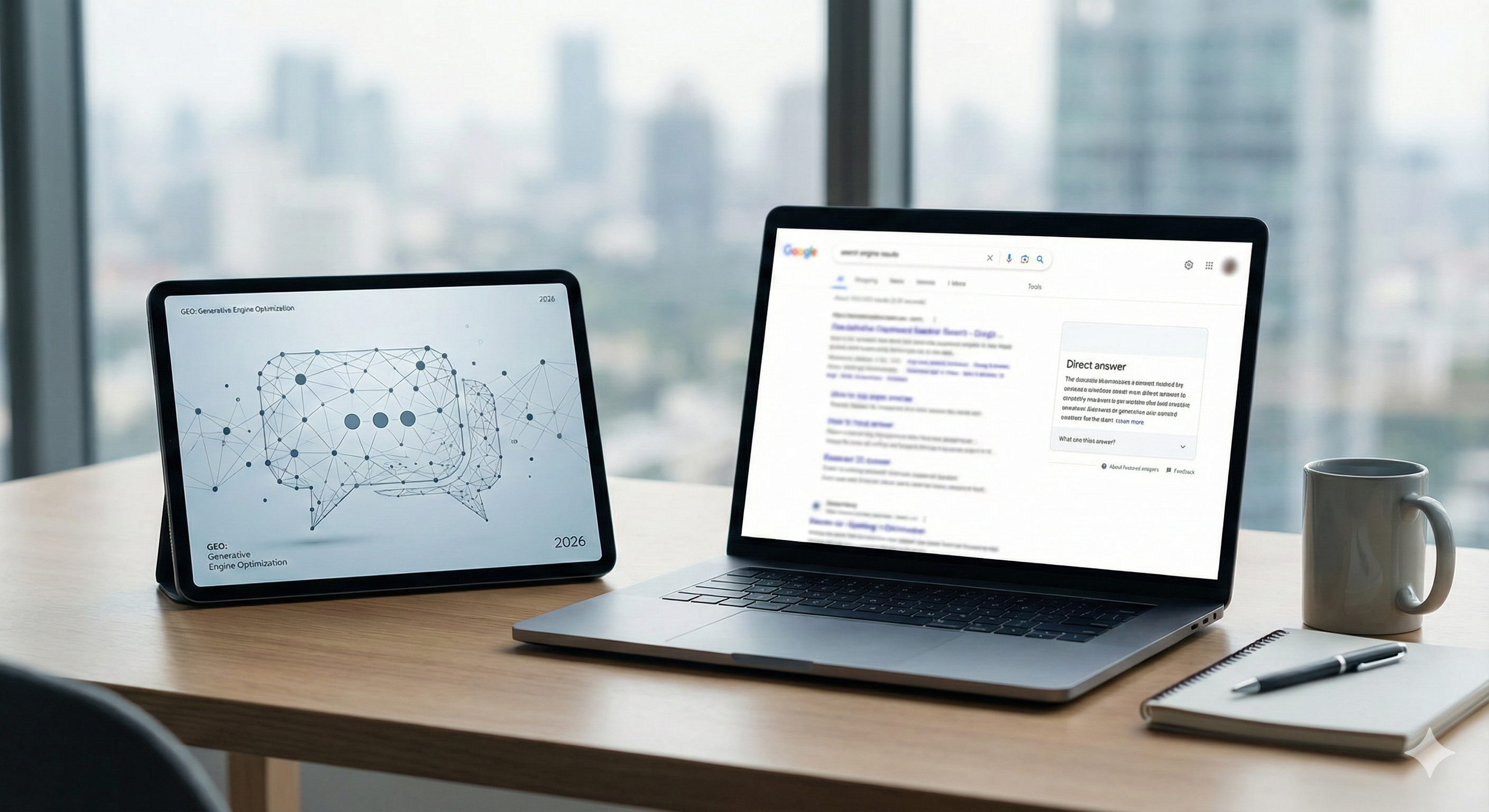
Is Your Site Citable? The Rise of GEO and the End of SEO as You Knew It
In 2026, showing up on Google is no longer enough. Users now look for direct answers in AIs like Gemini or SearchGPT. Discover what GEO is and how to prepare your site so artificial intelligences choose you as their trusted source.
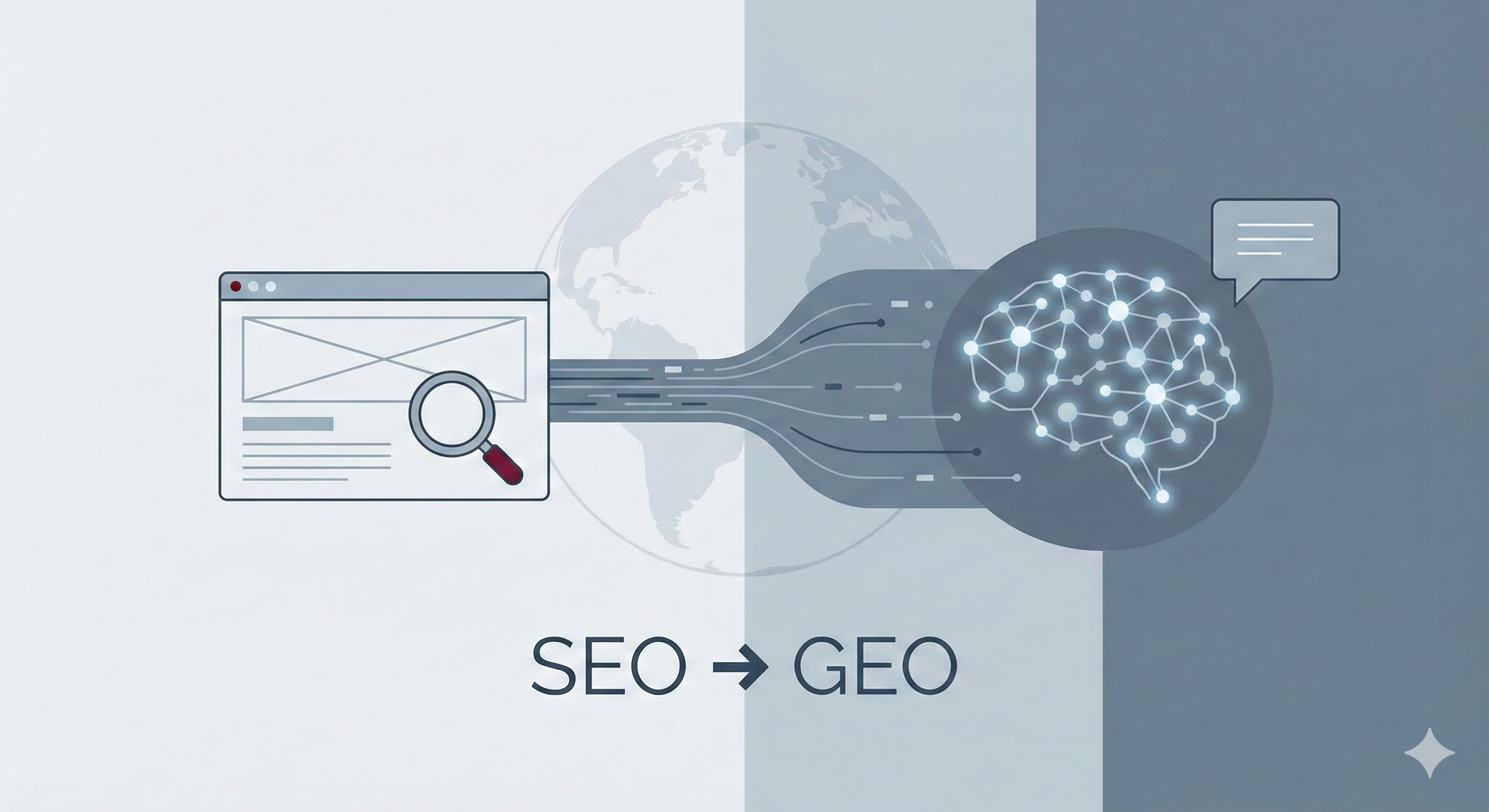
From SEO to GEO: How to Survive the AI Search Revolution in 2026
Is your website ready for AI to speak well of you? Discover how GEO (Generative Engine Optimization) is replacing traditional SEO and what steps your business should take to be the answer recommended by assistants like ChatGPT or Gemini in 2026. Don't fall behind in the new internet era: learn to position your brand where your customers are asking.
Is Your Site Invisible to ChatGPT? The Leap from SEO to GEO in 2025
This article explores the paradigm shift in digital positioning: the move from traditional SEO to GEO. We look at why sites overloaded with plugins and legacy code are losing visibility to conversational AIs.
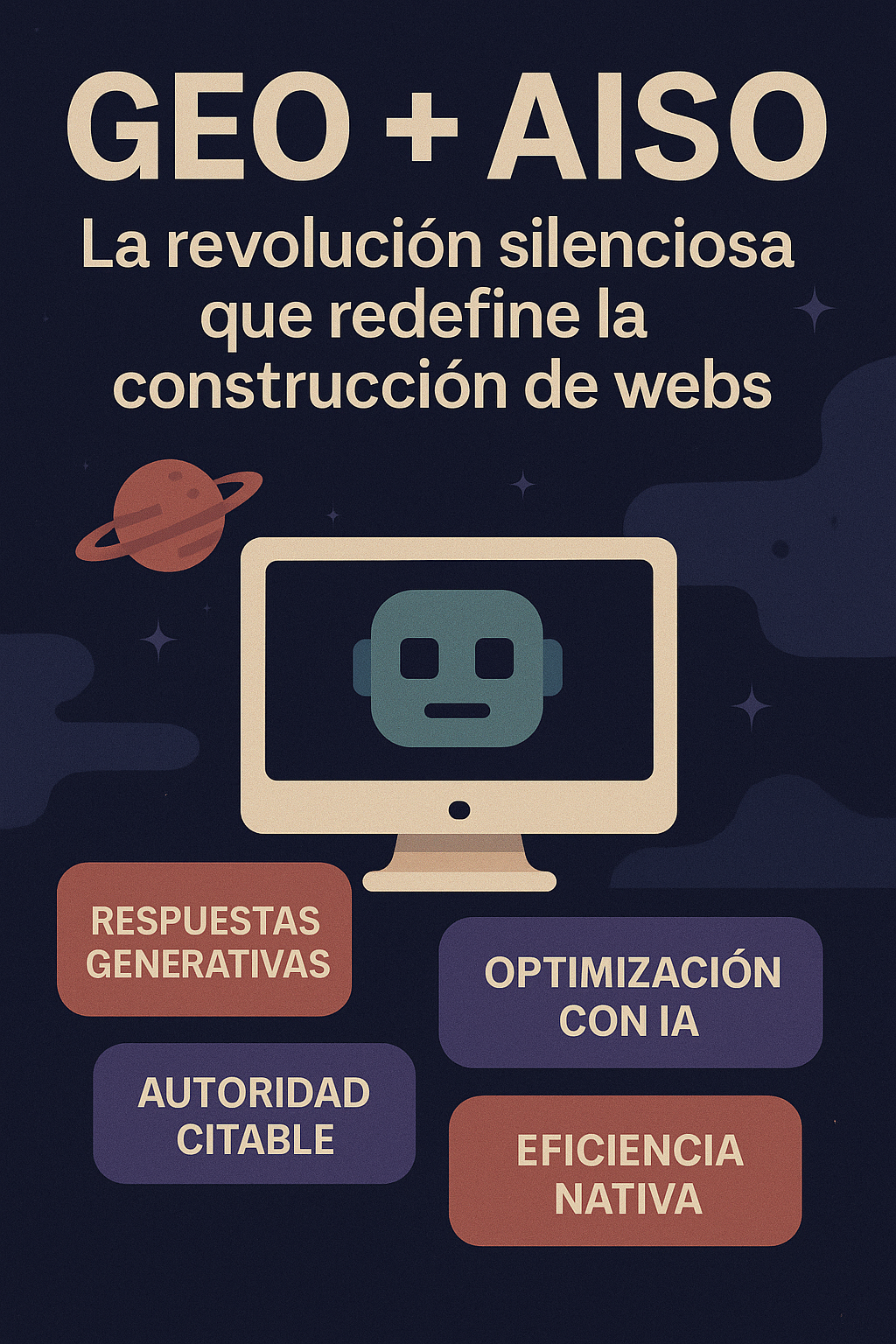
GEO + AISO: The Silent Revolution Redefining How Websites Are Built
GEO and AISO are the new optimisation approaches, essential given the dominance of AI-generated answers. Current trends underline that visibility depends on being a cited source, requiring sites to be structured, concise and with high semantic authority to overcome the zero-click challenge.
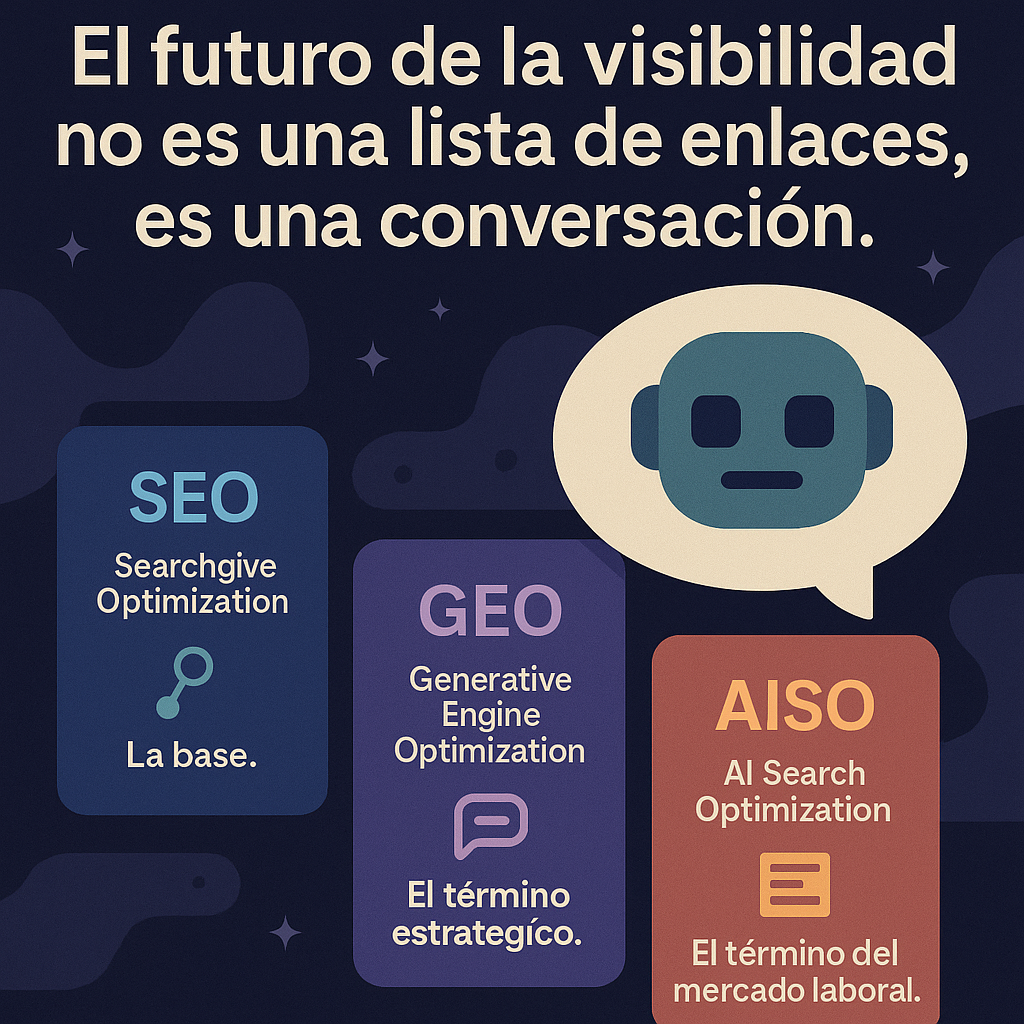
The Evolution of Visibility: From SEO to GEO and the Rise of AISO
If your site relies on traditional positioning strategy, you are optimising for the past. Search engines no longer just read keywords: they now understand content, summarise it and use it to fuel direct AI answers.
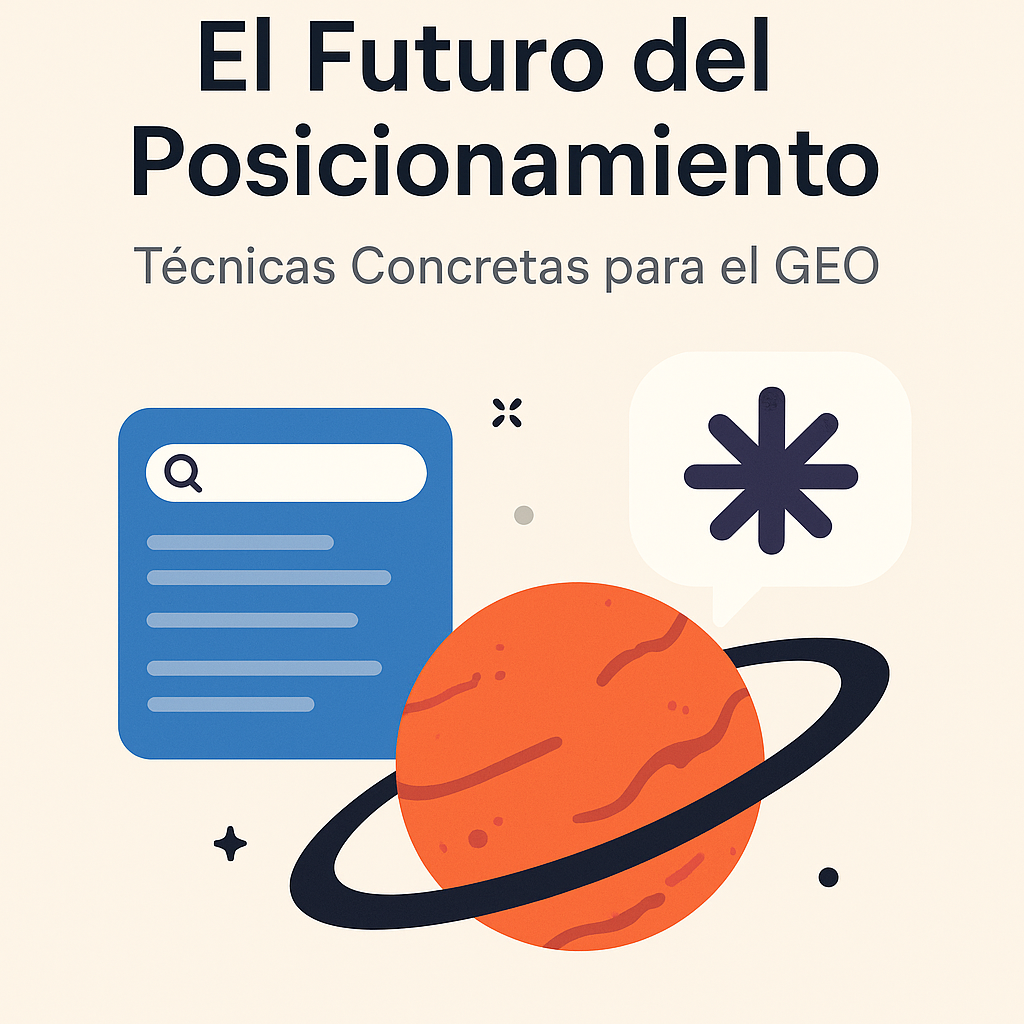
The Future of Positioning: Concrete Techniques for GEO
Visibility is no longer just about ranking on Google, but about your brand being cited as a trusted source by AIs like ChatGPT. This is what we call GEO (Generative Engine Optimization). Implementing GEO requires specific techniques, such as designing content that an AI can summarise quickly and using structured markup to declare who you are. With Marte, your site is technically optimised to be a reference source and lead the future of digital positioning.
GEO: What It Is, How It Works and Why a Non-Optimised Site Will Fall Behind in the AI Era
GEO (Generative Engine Optimization) is the new priority in web optimisation, as users ask generative AIs instead of searching. Your site must be structured and concise so that the AI can understand and use it in its answers, or you will lose visibility to the competition.
Your Site in 2025: Fast, Secure and AI-Friendly
For a business it is essential to take care of its website. Key areas include performance, semantic structure for AI, Core Web Vitals and HTTPS security.
The Traffic Eclipse: How AI Is Rewriting the Rules of SEO and Web Performance
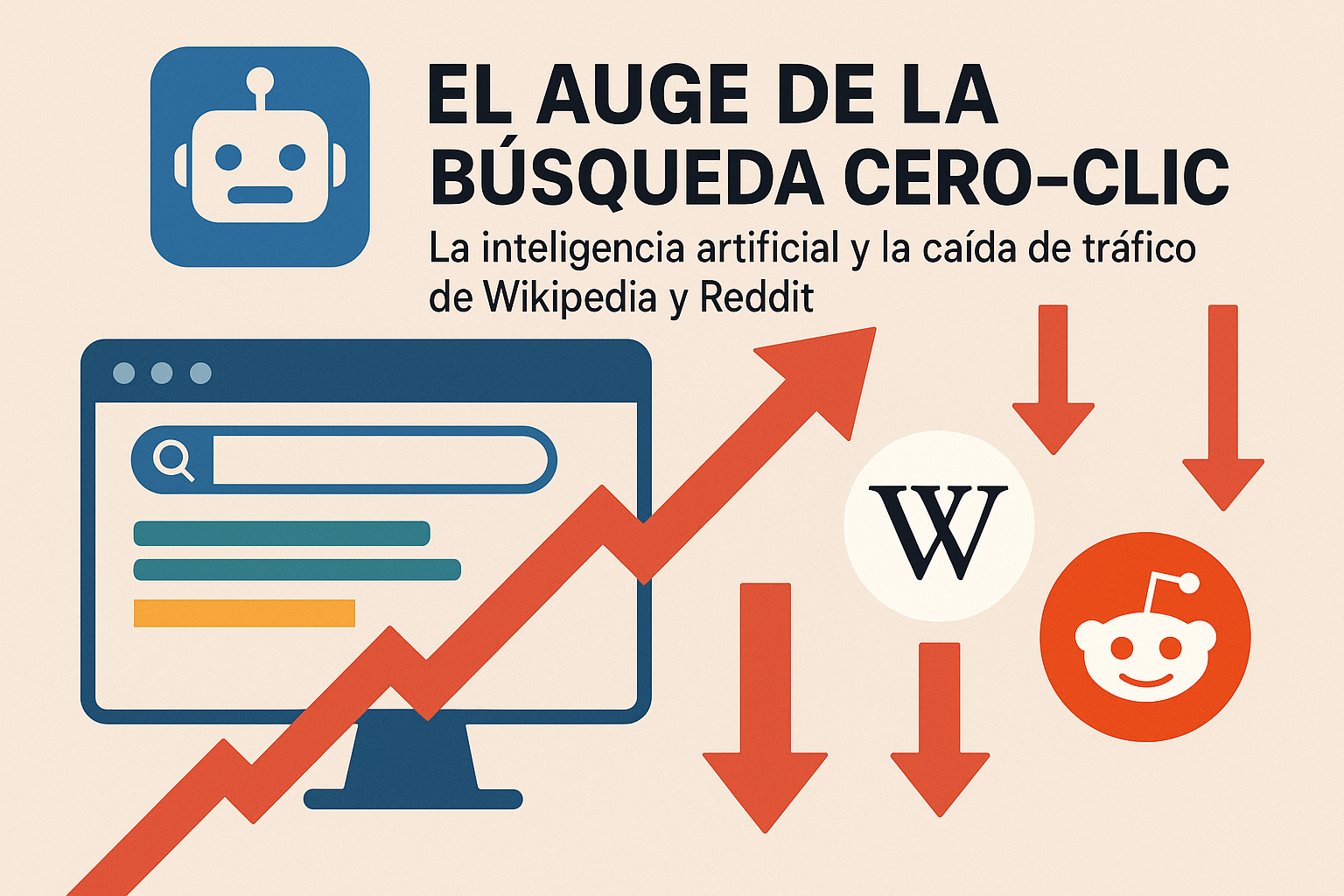
We are seeing a radical shift in global web traffic. The rapid rise of artificial intelligence is not a future trend; it is a present-day phenomenon that is displacing classic search engines and seriously affecting long-standing pillars of the internet. If your digital strategy is still focused only on how Google "sees" you, you may be preparing for yesterday's game. Today's data paints a very different picture.
PostgreSQL 18 Is Here: A Quantum Leap in Performance and Efficiency
The PostgreSQL Global Development Group has officially released PostgreSQL 18. This new version comes with substantial improvements in performance, scalability and security.
The Last-Item-in-Stock Dilemma: How to Handle Errors with Technical Precision (409 vs 422)
Imagine the scene: a customer finds the perfect product in your online store. Only one unit left. They add it to the cart, enter their details and, on clicking "Buy now", get a vague "Error" message. What happened? Maybe another customer was a millisecond faster. Or they tried to buy an invalid quantity. For the user, the frustration is the same. For your system, the difference is huge.
Speed Matters: Why Performance Is the Top Priority in Web Design
When a page loads in milliseconds instead of seconds, users browse with more confidence and make decisions naturally and without friction. Speed is perceived as simplicity, clarity and respect.
The Kit Digital Extended to 2026: Another Missed Opportunity or the Moment to Bet on Quality?
This measure, formalised through Royal Decree 537/2025, aims to continue the push for digitalisation among SMEs and the self-employed. It is undoubtedly good news for thousands of businesses that have not yet made the digital leap. However, at Marte Website Builder we ask: are we really using this opportunity to build a solid, profitable online presence?
The 4 Pillars of a Website That Actually Works in 2025
Having a website in 2025 is not enough. What matters is having a site that works: loads fast, shows up on Google, looks good on any screen and that you can update without depending on anyone.
Does Your Site Look Good on Mobile? Because 80% of Your Visits Already Come From There
Today, over 80% of website visits come from mobile devices. If your site does not look good or adapt properly, users simply leave.
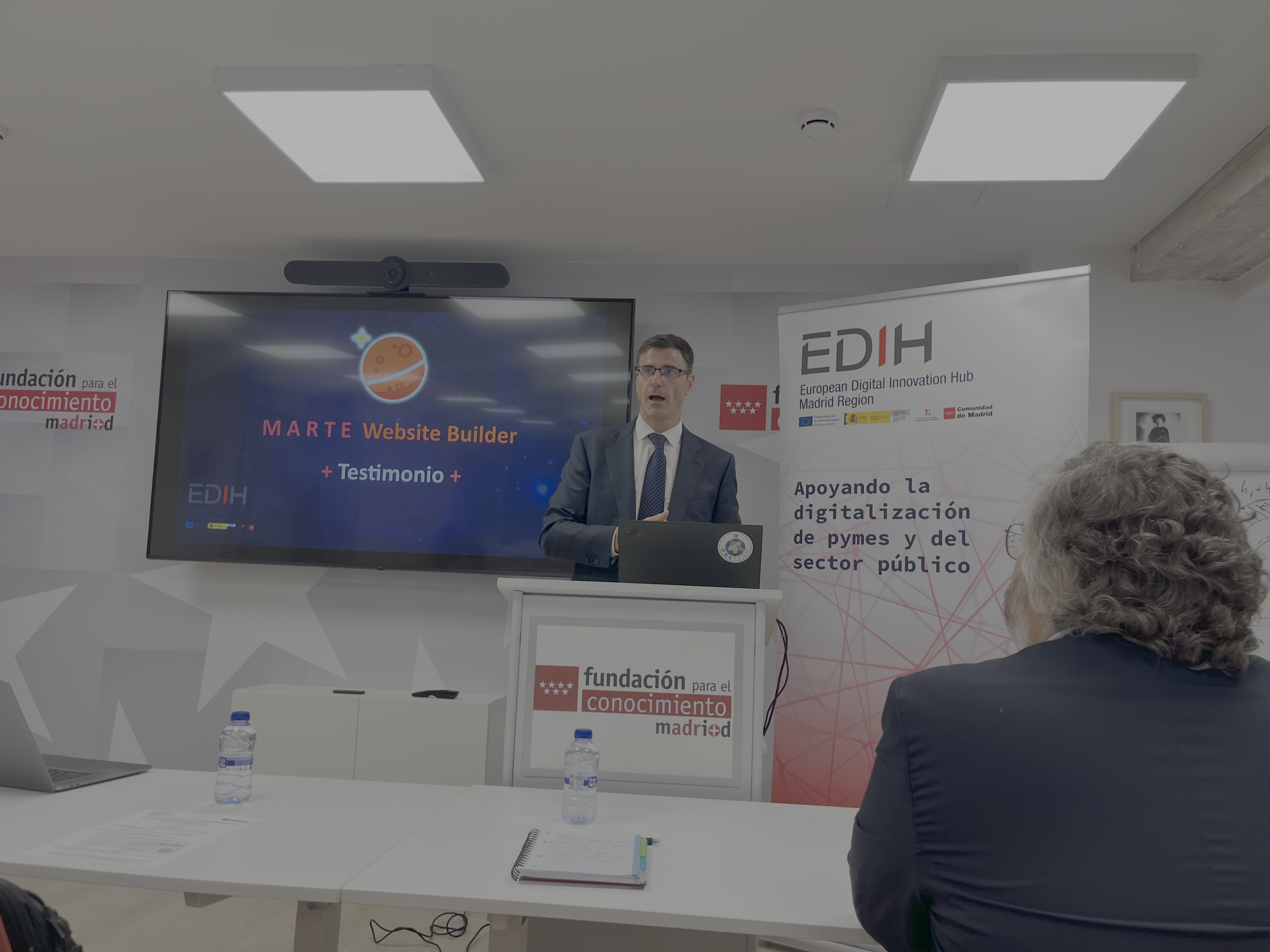
Reflections after the EDIH Madrid Region event: Realistic digitalisation for the legal sector
One of the most relevant points of the event was the discussion with legal sector experts, which looked at the reality of the legal ecosystem in Spain: 95% of law firms bill below half a million. This highlights the large number of individual professionals who, with a lot of experience, practise alone or in teams of 2–3 lawyers.
High-Fidelity (Pixel Perfect) Design: Seeing the Future of Your Website
In the world of web and app design, "fidelity" refers to how closely a design or prototype represents the final product in terms of visual detail, content and interactivity. In our previous article we explored wireframes and prototypes, which often sit in the low to medium fidelity spectrum and are key for defining structure and basic flows. Today we look at the top end of that spectrum: high-fidelity or "pixel perfect" design.
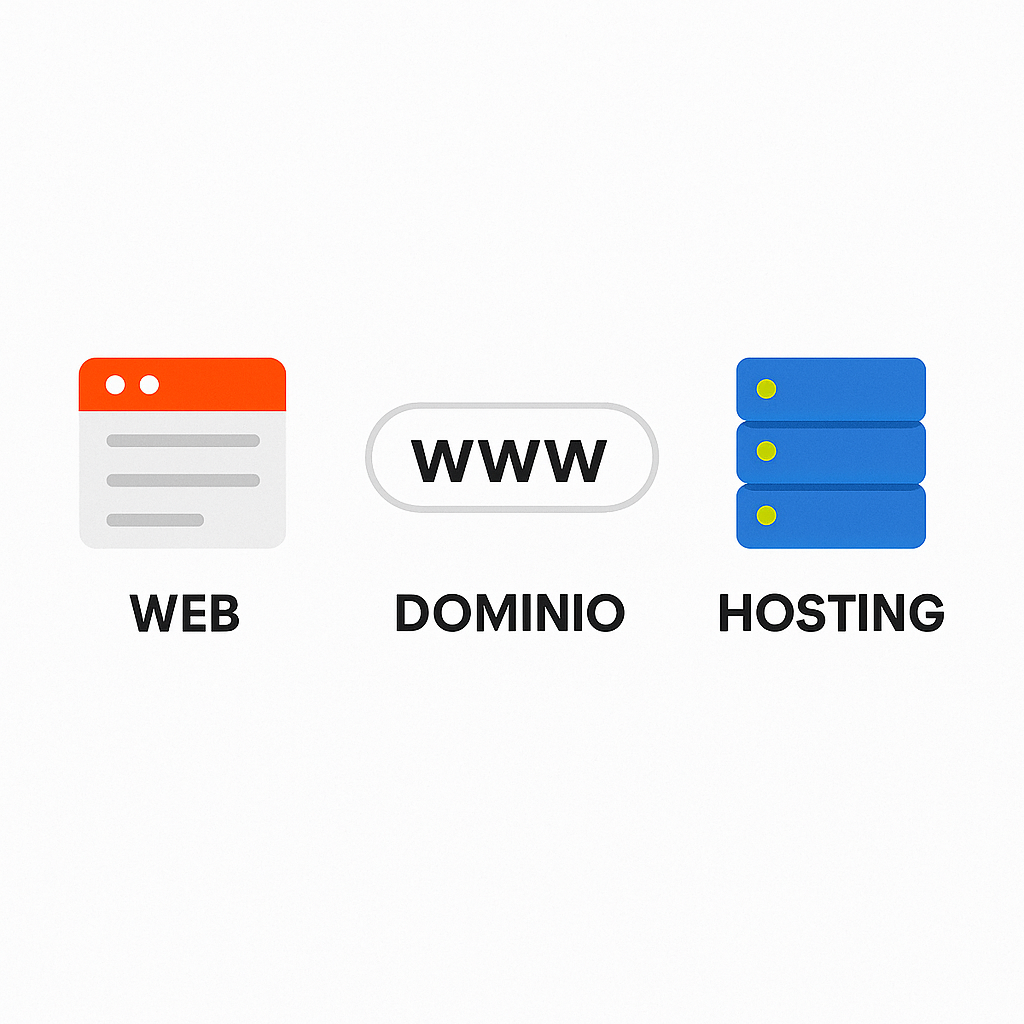
What Is a Website, a Domain and Hosting? (And Why You Need All Three)
If you are starting your online business, you have probably come across words like website, domain and hosting. Here we explain them clearly, without unnecessary jargon.
Is Your Business Only on Instagram? Then It's at Risk.
Instagram can be a great tool to connect with your audience. But if your business only lives on social media, you're building on rented land. And that's a problem.
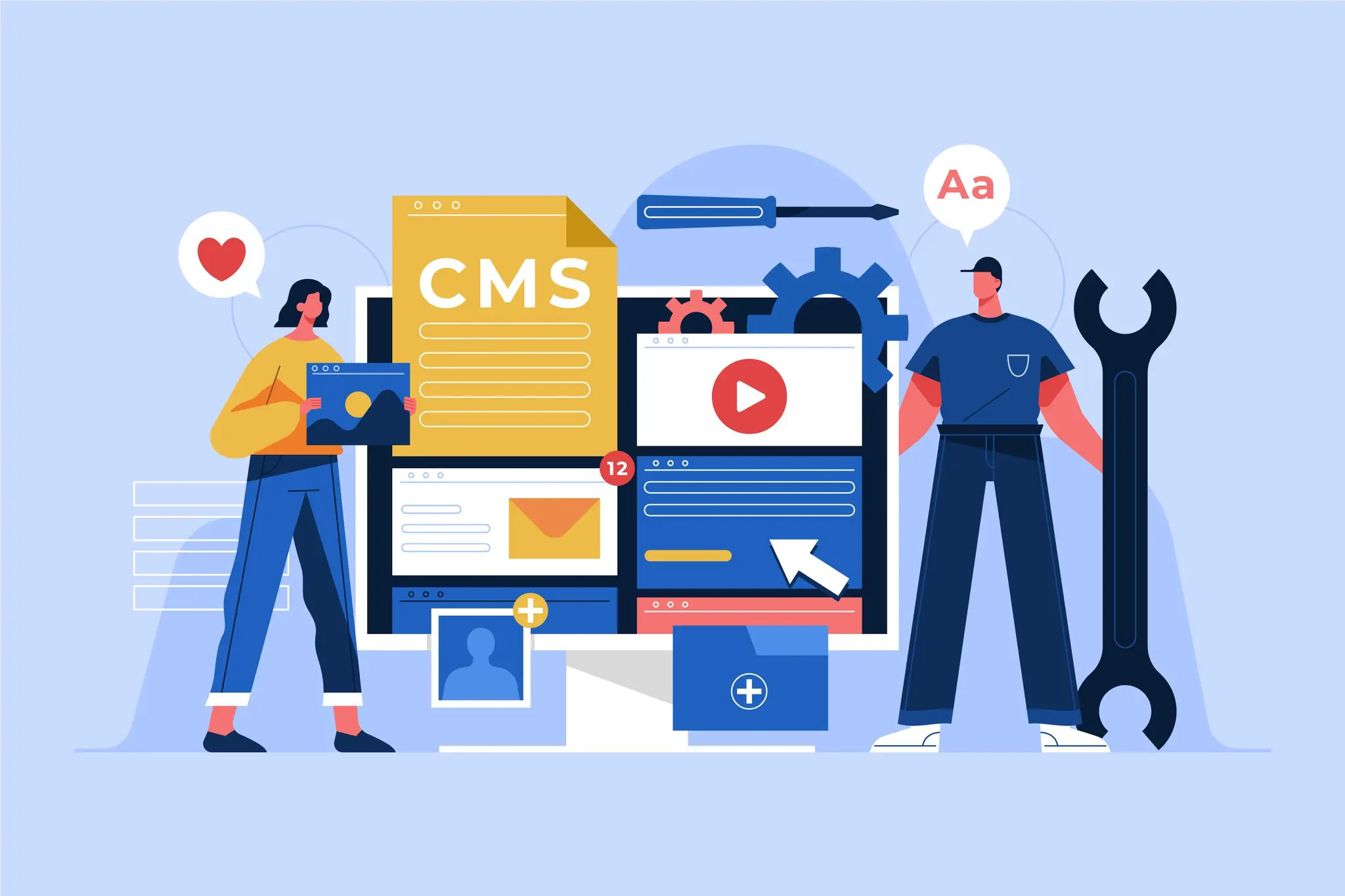
Sanity, Tina and Strapi vs. Marte Website Builder: The Definitive Comparison for High-Performance Websites
This article provides an in-depth comparison of three of the most sought-after CMSs—Sanity, Tina and Strapi—and Marte Website Builder, our all-in-one solution for high-performance websites. It covers architecture, continuous updates, user interface, security and scalability, showing how Marte Website Builder stands out as a robust alternative that simplifies development and optimises digital presence without third-party add-ons.
A Critical Look at the Kit Digital: Promises, Figures and Challenges
The Kit Digital was born with a laudable aim: to reduce the digital divide and boost the competitiveness of SMEs and the self-employed in Spain. However, the programme's implementation has sparked controversy and criticism over issues ranging from bureaucracy to the standardisation of solutions that sometimes do not meet companies' real needs.
Speed as a Competitive Advantage: Web Performance in Marte Website Builder
In today's digital age, page load speed can make the difference between winning or losing a potential customer. Users expect instant web experiences, and search engines reward faster sites with better visibility.
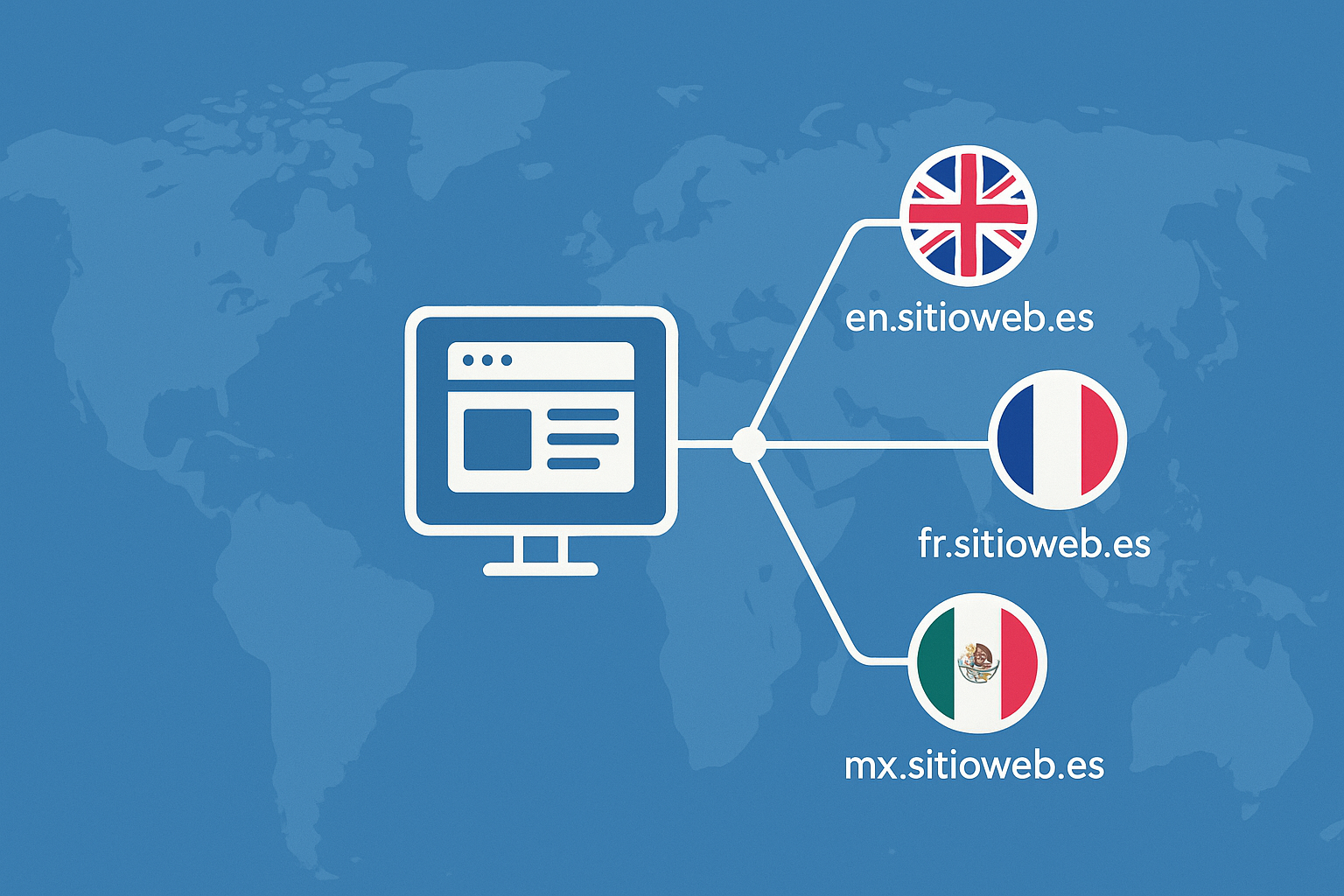
Internationalization of the Web Page
Globalization and the Internet have connected the world in once unthinkable ways. For many businesses—especially in e-commerce—serving customers anywhere on the planet is the norm. But this accessibility brings a challenge: you must work harder to capture the attention of audiences whose first language is not English. If you plan to open up to new markets, it is essential to internationalize ("i18n") your website: prepare it to be shown in different languages and to adapt to cultural nuances and local formats (dates, currencies, nomenclature).
AI Without Borders: 6 Ways Artificial Intelligence Drives Your Website's Internationalisation
Internationalisation (i18n) is no longer a luxury: it is a must for any company that wants to compete beyond its language borders. Thanks to artificial intelligence, this process stops being a huge task and becomes an agile, scalable flow full of opportunities. Here we look at six major ways AI can take your site from "Spanish only" to "available in all languages", with concrete examples you can replicate.
WordPress Remains in the Eye of the Storm: Legal Problems and Obsolete Technology
The WordPress community, once known for collaboration and a huge developer ecosystem, is going through one of its worst periods. There are not only legal clashes and confrontations between its main players —Matt Mullenweg, Automattic, WP Engine, among others— but its technology is also showing clear signs of age compared to more modern, efficient options. In this landscape Marte emerges, a next-generation CMS focused on giving small and medium businesses a powerful, simple solution to manage content and digital presence without hassle.
Wireframing vs. Prototyping: Optimising Web Design
Wireframing and prototyping are essential, distinct steps in the design process. Understanding their differences is crucial for planning a web or mobile application efficiently.