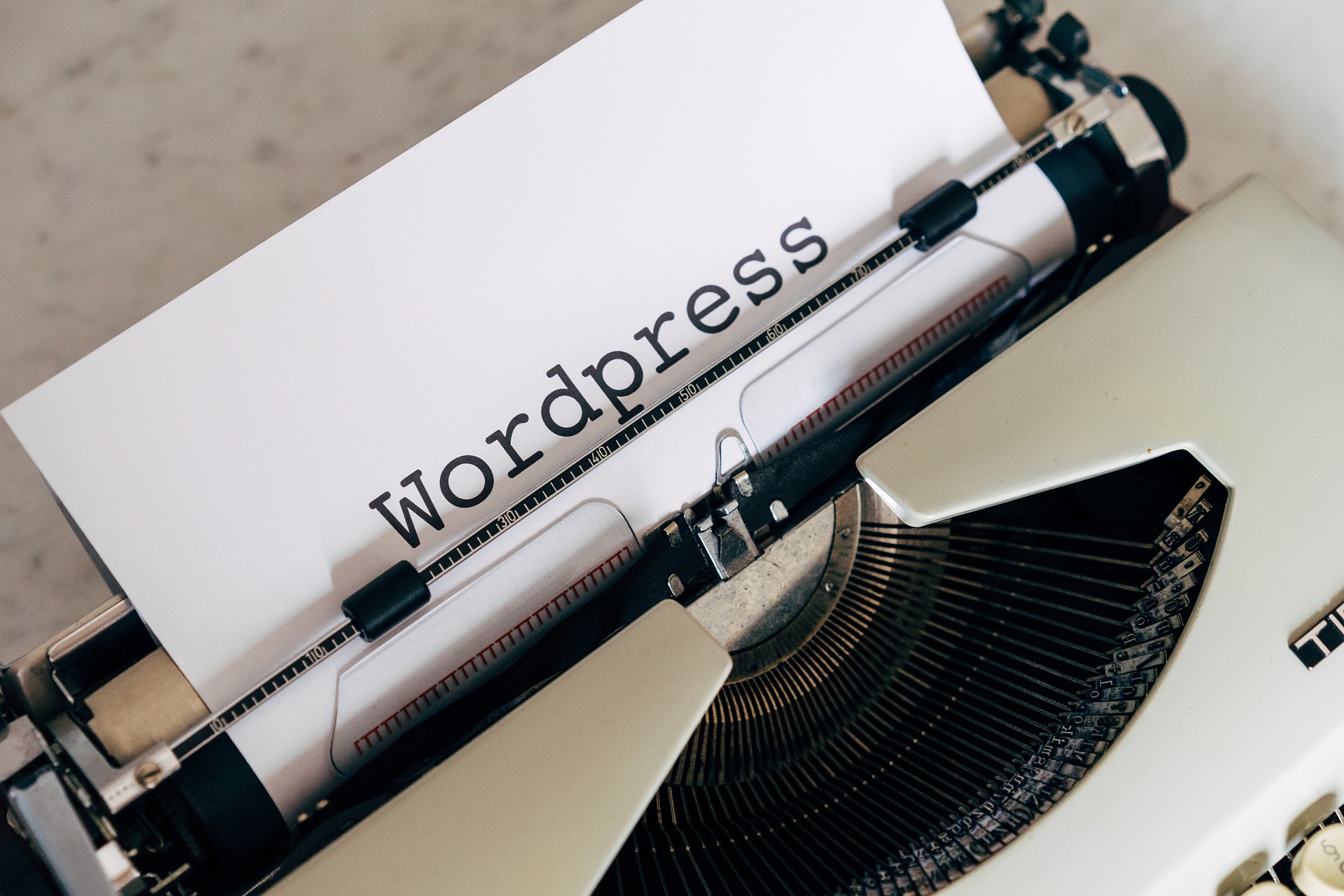
WordPress remains in the eye of the storm. The WordPress community, once known for its collaboration and huge developer ecosystem, is going through one of its worst periods. There are not only legal clashes and confrontations between its main players —Matt Mullenweg, Automattic, WP Engine, among others— but its technology is also showing clear signs of age compared to more modern, efficient options.
1. A lawsuit that shakes WordPress's foundations
The conflict between Automattic (Matt Mullenweg's company) and WP Engine escalated rapidly in December 2024 when WP Engine obtained a preliminary court order requiring Automattic to allow it access to WordPress.org resources. According to public statements, Automattic was said to have been hindering WP Engine plugin updates and putting obstacles in the way of its development work.
The tension rose when Mullenweg, in a series of unconventional moves, temporarily shut down WordPress.org in the middle of the Christmas holidays. This caused uncertainty for users and developers, who found themselves unable to update plugins or upload new themes during a crucial period for many online businesses.
Amid this situation, Mullenweg struck a dramatic tone when referring to the alleged "free obligations" imposed on him by WP Engine. He even invited people to "fund legal attacks" against him by using WP Engine's services, revealing a hostility that is unusual in the free software world.
2. The conflict widens: Automattic's reduced contributions
After the lawsuit, Automattic announced that it would significantly cut its contributions to the open-source version of WordPress, reducing them to just 45 hours of work per week. They justified the move as intended to "match" the effort that WP Engine puts into WordPress. They also made clear that they do not intend to neglect critical security patches, but will focus most of their effort on lucrative projects such as WordPress.com.
This raises a major question: how will this drastic cut in resources affect WordPress's future development? Historically, Automattic has been the main driver of the platform, for better or worse. The community, which already faces confused governance, is now having to take on more responsibility just when Mullenweg seems more interested in media drama than in the project's stable continuity.
3. Community disillusionment and the case of Joost de Valk
The WordPress community is not only shaken by the uncertainty of the lawsuits and the cuts in contributions. There is also a sense that some of its best-known members are not responding with the strength that might be expected. That is the case with Joost de Valk, creator of a popular SEO plugin. Although he has published comments criticising the situation, his voice has not had the impact many hoped for.
Despite his reputation, his appearances and statements have gone somewhat unnoticed —partly because tensions with Automattic and Mullenweg dominate the spotlight, and partly because in some circles de Valk is seen as not having risen to the crisis. Some see his position as lukewarm or not proactive enough, which suggests that even community leaders seem unable to find a way to steer WordPress back on course.
4. Is WordPress falling behind technologically?
The internal problems are compounded by something many developers have been pointing out for a long time: WordPress is showing its age. Its foundations, although solid in their day, are over fifteen years old, and that shows when compared to newer options with more modern architectures.
Monolithic approach: While the web ecosystem is moving towards microservices or headless architectures, WordPress keeps a monolithic core that can become slow and hard to scale. Plugin overload: For many features, WordPress relies on a tangle of plugins that, while adding flexibility, can create incompatibilities and security vulnerabilities. Forced updates: The community is often caught in a wave of updates that, between core and plugin updates, can break production sites or create more problems than they solve.
In such a fast-moving digital environment, these limitations are becoming very clear. When you add the growing instability in the project's leadership, it is no surprise that many entrepreneurs and developers are looking for alternatives that offer not only peace of mind but also technically better performance.
5. Marte: a new generation of CMS for SMEs seeking agility and control
In this turbulent landscape, one option is making waves: Marte, a recently launched CMS that emphasises cutting-edge technology and a clear focus on the Spanish-speaking market. In the face of the problems affecting WordPress, Marte offers:
1. Modern architecture: Built for scalability and efficiency from the ground up, avoiding the legacy baggage of older platforms. 2. Spanish-language, easy-to-use interface: Designed so that small and medium businesses can take full control of their content without language or technical barriers. 3. Fewer dependencies: Minimises the need to install third-party plugins or extensions that can cause vulnerabilities or performance issues. 4. Growing support and community: Although it is a young project, it has a dedicated team and a growing community that does not carry the disputes and grudges that now tarnish WordPress.
For SMEs that cannot afford downtime or critical errors, Marte represents a more agile solution focused on stability and a simple but powerful workflow. Given the uncertainty in the WordPress ecosystem, businesses of all sizes are starting to look at alternatives like Marte, where a reliable site can be built in less time and with fewer complications.
6. Final thoughts: the community needs a new direction
The decline in the relationship between Automattic and WP Engine, Mullenweg's theatrical behaviour and the inconsistent positions of figures like Joost de Valk, far from fixing the situation, have made it more tangled. WordPress may still be usable, but it no longer seems the obvious, safe choice it once was.
The urgency of looking for other platforms becomes clearer when WordPress's own technology falls short in an era that demands flexibility, speed and ease of maintenance. Marte arrives at a key moment to offer a breath of fresh air, avoiding the accumulated drawbacks of WordPress and opening the door to a CMS that truly understands the current needs of Spanish-speaking SMEs.
If developers and entrepreneurs want to take an active role in the evolution of their sites, it may be time to seriously consider a change.