
Blog · cms
Tag: cms
Articles with the "cms" tag.
Speed Matters: Why Performance Is the Top Priority in Web Design
Marte · 2025-07-31
When a page loads in milliseconds instead of seconds, users browse with more confidence and make decisions naturally and without friction. Speed is perceived as simplicity, clarity and respect.
High-Fidelity (Pixel Perfect) Design: Seeing the Future of Your Website
2025-06-16
In the world of web and app design, "fidelity" refers to how closely a design or prototype represents the final product in terms of visual detail, content and interactivity. In our previous article we explored wireframes and prototypes, which often sit in the low to medium fidelity spectrum and are key for defining structure and basic flows. Today we look at the top end of that spectrum: high-fidelity or "pixel perfect" design.
Sanity, Tina and Strapi vs. Marte Website Builder: The Definitive Comparison for High-Performance Websites
Jaime Marco · 2025-02-24
This article provides an in-depth comparison of three of the most sought-after CMSs—Sanity, Tina and Strapi—and Marte Website Builder, our all-in-one solution for high-performance websites. It covers architecture, continuous updates, user interface, security and scalability, showing how Marte Website Builder stands out as a robust alternative that simplifies development and optimises digital presence without third-party add-ons.
A Critical Look at the Kit Digital: Promises, Figures and Challenges
Jaime Marco · 2025-02-12
The Kit Digital was born with a laudable aim: to reduce the digital divide and boost the competitiveness of SMEs and the self-employed in Spain. However, the programme's implementation has sparked controversy and criticism over issues ranging from bureaucracy to the standardisation of solutions that sometimes do not meet companies' real needs.

Speed as a Competitive Advantage: Web Performance in Marte Website Builder
Guillermo De La Puente · 2025-02-11
In today's digital age, page load speed can make the difference between winning or losing a potential customer. Users expect instant web experiences, and search engines reward faster sites with better visibility.
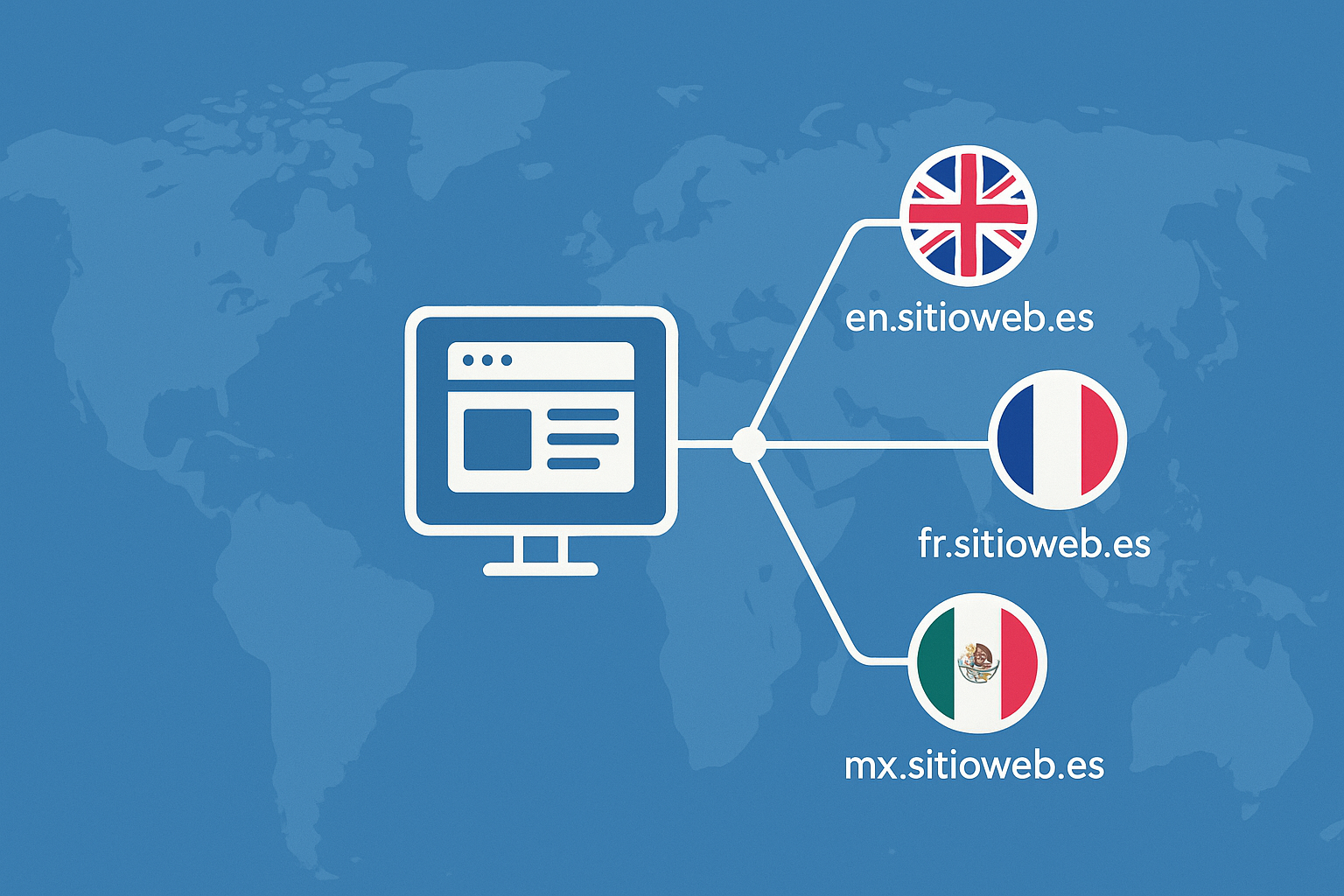
Internationalization of the Web Page
Jaime Marco · 2025-01-01
Globalization and the Internet have connected the world in once unthinkable ways. For many businesses—especially in e-commerce—serving customers anywhere on the planet is the norm. But this accessibility brings a challenge: you must work harder to capture the attention of audiences whose first language is not English. If you plan to open up to new markets, it is essential to internationalize ("i18n") your website: prepare it to be shown in different languages and to adapt to cultural nuances and local formats (dates, currencies, nomenclature).
AI Without Borders: 6 Ways Artificial Intelligence Drives Your Website's Internationalisation
Jaime Marco · 2025-01-01
Internationalisation (i18n) is no longer a luxury: it is a must for any company that wants to compete beyond its language borders. Thanks to artificial intelligence, this process stops being a huge task and becomes an agile, scalable flow full of opportunities. Here we look at six major ways AI can take your site from "Spanish only" to "available in all languages", with concrete examples you can replicate.
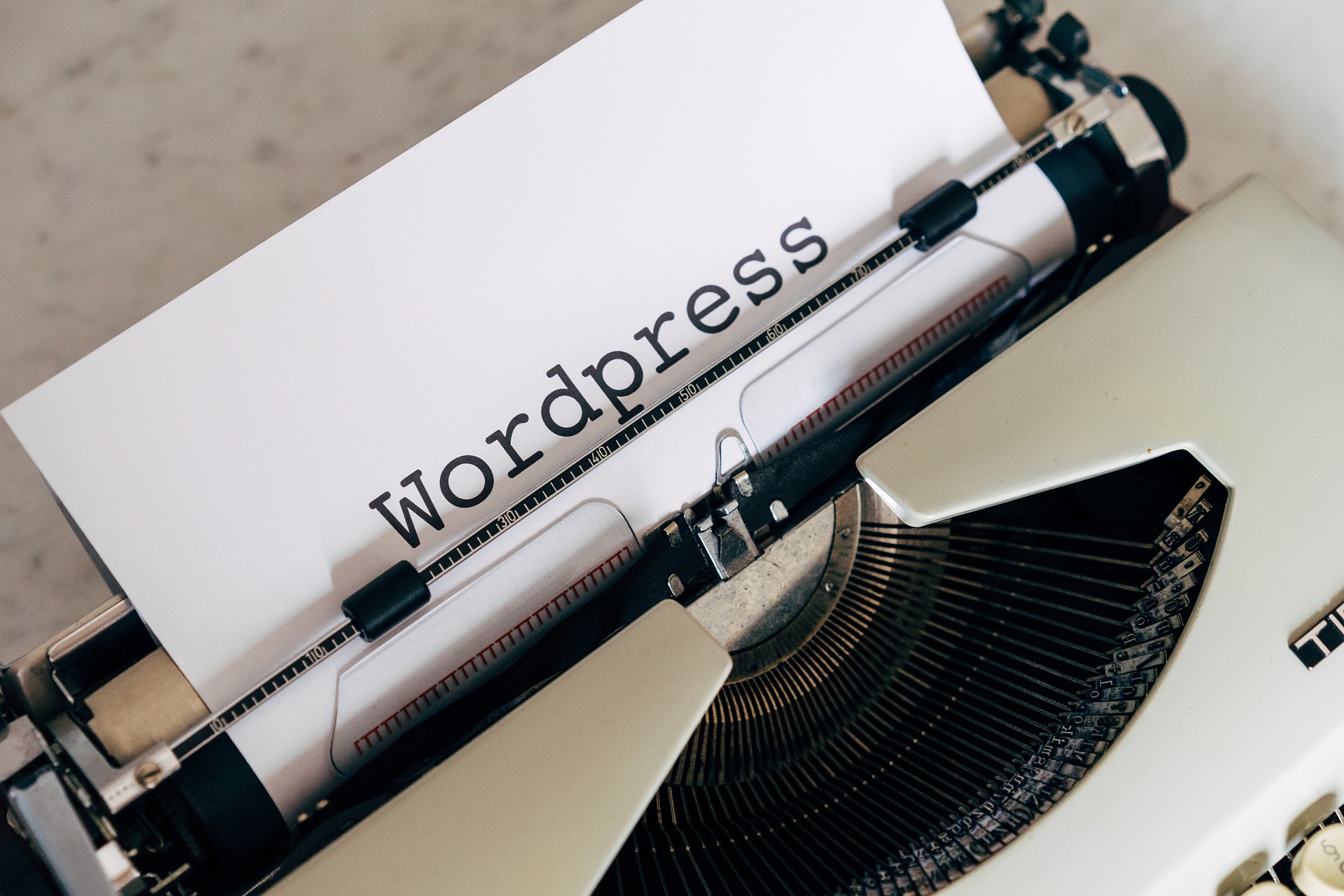
WordPress Remains in the Eye of the Storm: Legal Problems and Obsolete Technology
Marte · 2024-12-16
The WordPress community, once known for collaboration and a huge developer ecosystem, is going through one of its worst periods. There are not only legal clashes and confrontations between its main players —Matt Mullenweg, Automattic, WP Engine, among others— but its technology is also showing clear signs of age compared to more modern, efficient options. In this landscape Marte emerges, a next-generation CMS focused on giving small and medium businesses a powerful, simple solution to manage content and digital presence without hassle.
Wireframing vs. Prototyping: Optimising Web Design
Marte · 2024-06-24
Wireframing and prototyping are essential, distinct steps in the design process. Understanding their differences is crucial for planning a web or mobile application efficiently.